


Spring and summer mean nicer weather, longer walks, and day trips with your furry friends! However, there is still a lot to stay vigilant about to keep your pup as happy and healthy as possible. This post is going to encompass all the things spring and summer have to offer and how you can stay the best pawrent possible!
I am not a veterinarian or a dog trainer. I am a self-proclaimed, well-researched doggy expert, and pet parent. Please consult your veterinarian or the sources I will have linked at the bottom with questions and concerns. Also, click over to my contact page with questions… I am happy to help! Now… on with the blog!
Hot Asphalt

As air temperatures increase, so does the temperature of the sidewalks and roads. If it is 77 degrees Fahrenheit outside, the asphalt temperature is 125 degrees. This means as it gets hotter and hotter, the asphalt is becoming dangerously hot. Hot sidewalks and asphalt can burn your pup’s paw pads which is uncomfortable and dangerous for them. Consider this: if you would not walk on the road barefoot… do not make your dog do it! Try and stay in the grass. If you have to walk on a sidewalk or road, keep it brief and steer your dog towards grassy patches! For all my city dwellers with limited access to grass, try to take your dog out earlier in the morning and later in the evening when it may be cooler. You may also consider dog booties if you have to walk entirely on asphalt or the sidewalk like in NYC!
Overheating
Along with temperature increases and warm weather of course comes overheating. You have to remember your dog’s body temperature is hotter than a human’s, and they are covered in fur. If you feel hot outside or are sweating, imagine how hot your furry friend feels! If you are an avid hiker or just like spending more time outside during the summer, make sure to provide your fur baby with plenty of water! This could mean bringing a water bowl into your yard or onto your deck. This also may mean getting a travel dog water bottle for hikes and long walks. If you are bringing one for yourself, you should bring one for your pup!
17 Year Cicadas
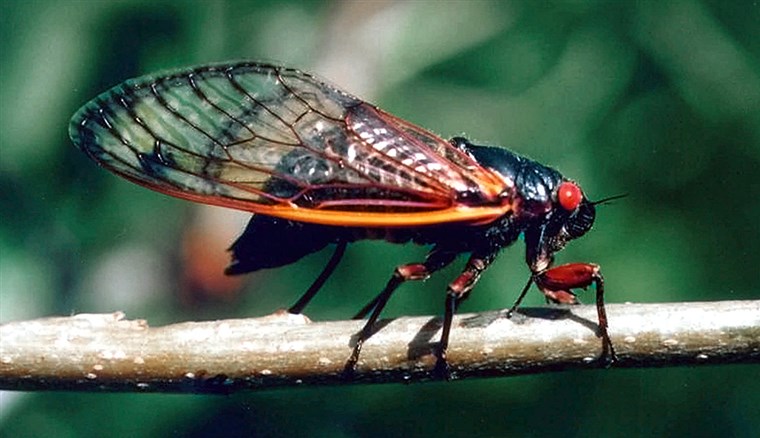
I am sure by now you’ve seen the 17-year cicadas. Every 13-17 years, these creepy crawlers come up out of the ground. They are everywhere! The theory is they stay underground for such large periods to avoid predators. Predators cannot rely on them as their main food source. However, this is not stopping animals and pets from eating them. If your dog has been enjoying some outdoor dining with cicadas as the main course… don’t be alarmed! They cannot do any real damage to your pet. However, the cicadas can upset your pup’s stomach. If you notice them becoming sick, be sure to monitor them in your yard and cut back on their cicada snacking.
Along with being a snack for your doggo, other critters are enjoying them too. This includes birds and snakes. More specifically, copperheads. Copperheads are venomous and can be deadly. If you live in an area or region where copperheads are native, keep a close eye out so your dog remains unharmed.
Allergies

I am sure many of you are suffering from spring and summer allergies. (I know I am!) Just like humans, dogs can suffer allergies as well. Allergies in dogs can include: increased scratching or biting, frequent sneezing, skin looking pinker or red, rash, etc. If your dog is exhibiting any of these symptoms, consult your veterinarian. They can prescribe an allergy pill or give them an allergy shot that typically lasts 6 months. For my dog Scooby, every spring the allergy shot is a must! Increased licking in biting may not seem like a big deal, but it can lead to hotspots. Hotspots are basically patches on your dog’s skin that are extremely irritated, infected, and oozing at times. This is extremely uncomfortable for your dog and does not get better on its’ own! It is best to get the allergy shot or pills before your dog experiences a hotspot or extreme discomfort due to allergies.
Heartworm and Mosquitoes
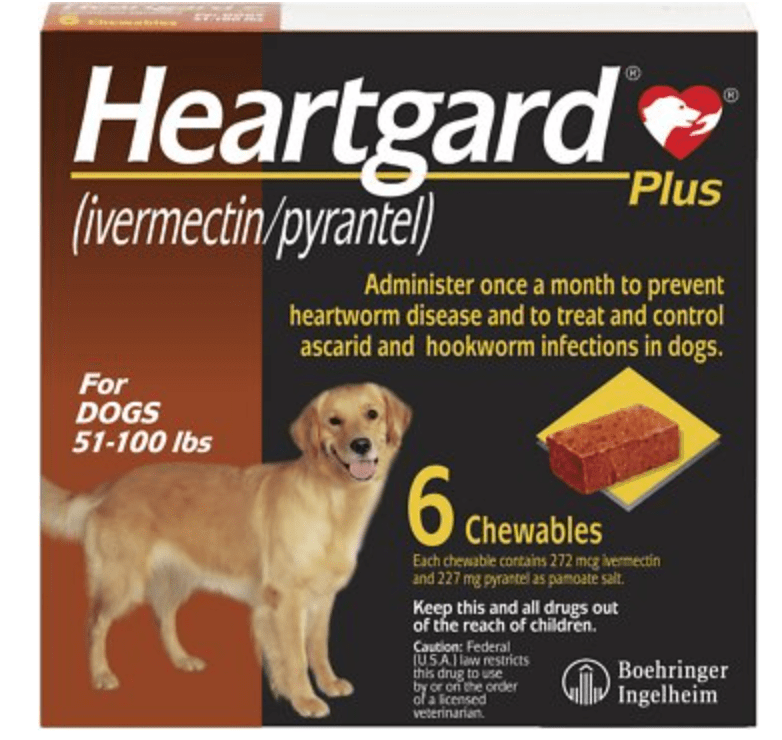
As we all know, mosquitoes come in the spring and summer months and there’s nothing we can do to prevent it! These pesky bloodsuckers bite us leaving behind itchy bumps. However, mosquitoes pose a larger threat to our four-legged friends. Mosquitoes carry heartworm, a parasitic roundworm that causes a lot of terrible symptoms. These symptoms include fatigue, cough, decreased appetite, and weight loss. As heartworm disease progresses, it can cause heart failure.
The best way to combat this is to prevent it entirely. Get your dog on a heartworm preventative like HeartGard. You can order it online, but you need a prescription from your vet. Typically, your dog will have to be tested for heartworm before you are able to get the prescription or purchase it directly from the vet. If your dog is not currently on a heartworm preventative, get them tested and start one immediately. They should be on HeartGard or some type of preventative year-round.
I hope these tips were helpful! Reach out on my contact page with any questions.
For more information on the above topics, visit any of the following links: Hot Spots, Asphalt Temperatures, Heartworm, Allergies, Cicadas, Overheating, and always consult your vet about any specific questions or concerns!
 Adopt Don't Shop: All Things Dog
Such great information!!
LikeLike
Hi I’d like to look into adoption!
LikeLike